
The Sweet Balance: How Sugar and Fiber Work Together in a Meal
When we think about healthy eating, we often hear about two important players: sugar and fiber. But did you know that the way these two nutrients interact in a meal can have a major impact on your health, energy levels, and even weight management? Let’s break it down in a simple and practical way — because understanding this balance could change the way you eat for the better.
What Happens When You Eat Sugar Alone? 🍭
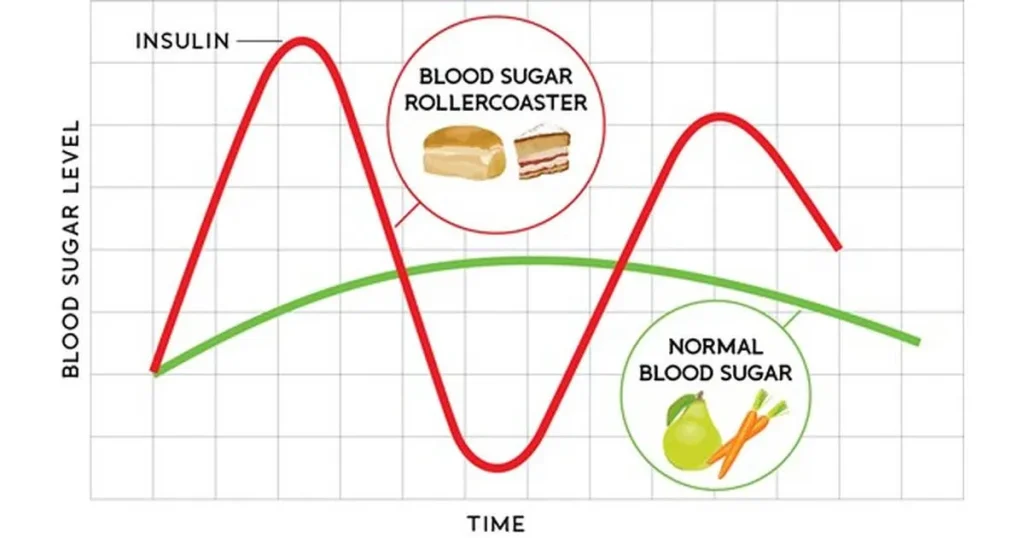
Sugar, especially in its refined form (like table sugar, candy, or soda), enters your bloodstream very quickly. This causes a sharp spike in blood sugar levels, giving you a burst of energy — often followed by a sudden crash.
That crash can leave you feeling tired, irritable, and hungry again soon after eating. Over time, repeated sugar spikes and crashes can strain your body’s ability to regulate blood sugar, increasing the risk for insulin resistance, type 2 diabetes, and weight gain.
The Role of Fiber: Nature’s Balancing Act 🌱
Fiber acts like a speed bump for sugar in your system. When you eat fiber-rich foods — like vegetables, fruits, nuts, or whole grains — the fiber slows down how quickly sugar is absorbed into your bloodstream.
✅ Result:
-
A slower, more gradual rise in blood sugar
-
Longer-lasting energy
-
Better appetite control
Fiber also helps you feel full and satisfied after meals, which means you’re less likely to overeat or reach for unhealthy snacks later.
The Perfect Duo: Sugar + Fiber in Natural Foods 🍎
In nature, most foods that contain sugar — like fruits and some vegetables — also come packaged with fiber. Take an apple, for example.
-
Yes, it has natural sugar.
-
But it’s also packed with fiber, especially if you eat the skin.
Because of the fiber, the sugars in the apple are absorbed slowly, giving your body steady energy without the crash you’d get from, say, a candy bar.
👉 This is why natural sugar from whole foods behaves very differently in your body compared to added or refined sugars.
How to Build a Balanced Meal with Sugar and Fiber 🥗
Creating meals that balance sugar and fiber is easier than you think. Here are a few golden rules:
-
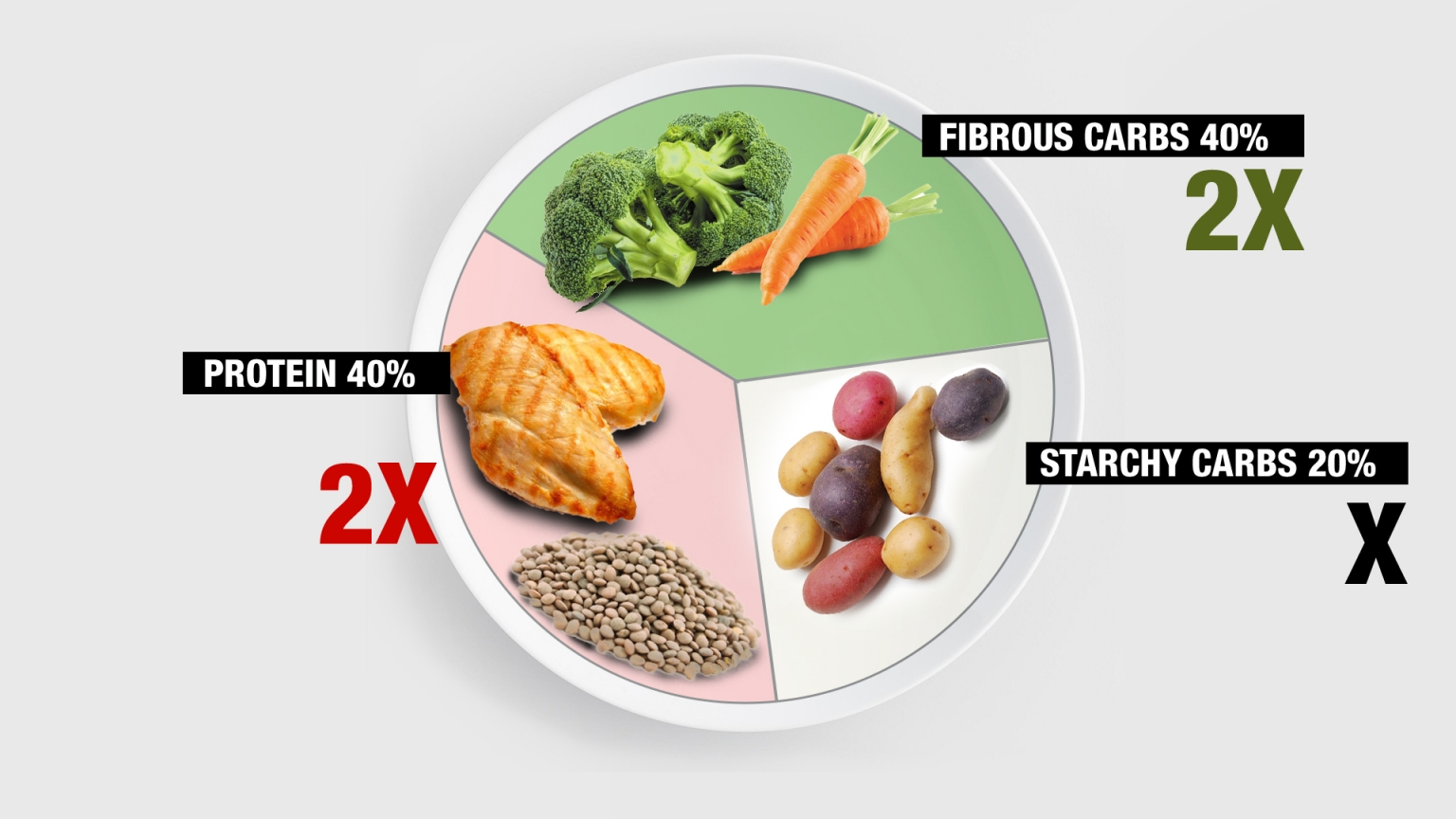
Choose whole foods over processed ones. Think fruits, vegetables, legumes, and whole grains.
-
Pair fruits with protein or healthy fats. For example, apple slices with almond butter or berries with Greek yogurt.
-
Watch out for hidden sugars in foods labeled “healthy” — like flavored yogurts, sauces, and breakfast bars.
-
Aim for color and variety on your plate. Different fibers (soluble and insoluble) offer different benefits, so eating a range of fruits and veggies is key.
💡 Pro Tip:
If you’re craving something sweet, pair it with a fiber-rich food. A small piece of dark chocolate alongside a handful of walnuts, for example, is much better than eating chocolate alone.
The Bigger Picture: It’s About Balance, Not Elimination ⚖️
You don’t have to cut sugar completely out of your life to be healthy — but it’s all about how you consume it.
-
Sugar without fiber = quick spike + quick crash.
-
Sugar with fiber = slow release + sustained energy.
Finding that balance means you can still enjoy your favorite fruits (and even the occasional treat) without throwing your blood sugar — and your mood — on a rollercoaster ride.
The Bottom Line
Sugar and fiber are two sides of the same coin. When eaten together, they can help keep your energy steady, your cravings in check, and your health on track.
Next time you reach for something sweet, think: Is there fiber along for the ride?
A small shift in your food choices can create a big impact on your energy, health, and happiness — and it all starts with understanding this simple, natural balance.