
The Relationship Between Sugar Levels, Glycemic Index, and Hunger: A Deep Dive into Nutrition and Appetite
When it comes to managing hunger and maintaining a balanced diet, two factors often come into play: sugar levels and the glycemic index (GI) of foods. These two components significantly influence your energy levels, how full you feel, and, ultimately, your eating habits. Understanding the connection between sugar levels, the glycemic index, and hunger can help you make better food choices that support long-term health and stable energy.
What is the Glycemic Index?
The glycemic index (GI) is a scale that ranks foods based on how quickly they raise blood sugar levels after being consumed. Foods with a high GI (like white bread and sugary drinks) are rapidly digested, causing a spike in blood glucose, whereas foods with a low GI (like whole grains and non-starchy vegetables) are absorbed more slowly, providing a more gradual and sustained energy release.
GI is categorized into three groups:
- Low GI (55 or less): Foods like oats, most fruits, lentils, and non-starchy vegetables.
- Medium GI (56-69): Foods like whole wheat bread, brown rice, and some tropical fruits.
- High GI (70 or more): Foods like white bread, candy, and processed cereals.
Sugar Levels and Their Effect on Hunger
Your body uses sugar, or glucose, as its primary energy source. When you consume carbohydrates, they are broken down into glucose, which enters your bloodstream. This rise in blood sugar signals your pancreas to release insulin, a hormone that helps cells absorb glucose for energy.
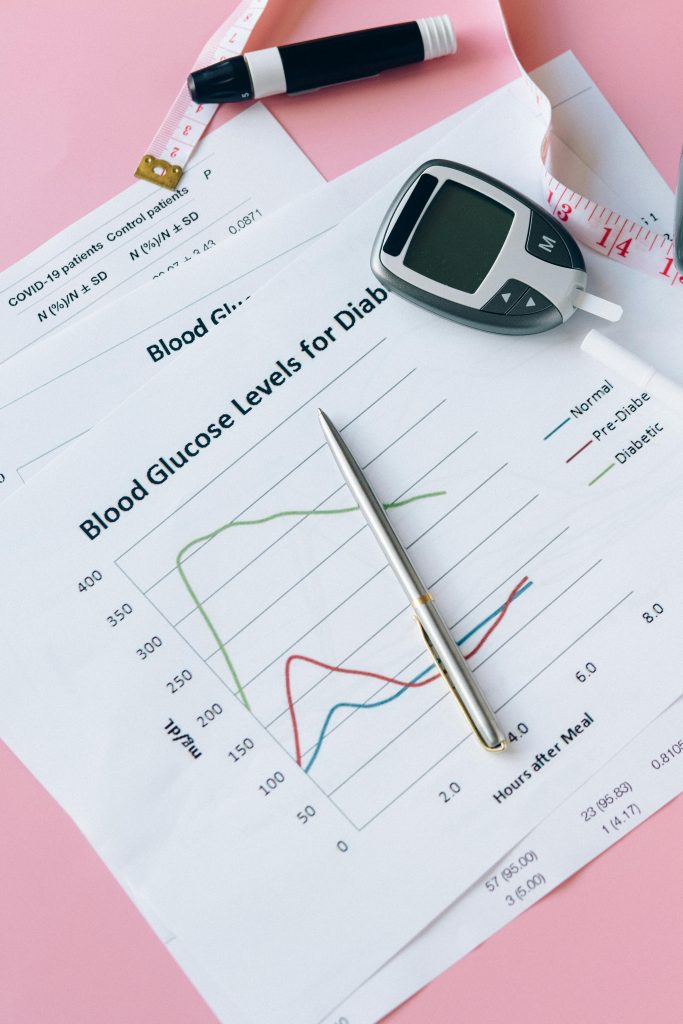
However, not all glucose is created equal, and this is where the glycemic index comes in. Foods with a high GI cause a rapid spike in blood sugar, followed by a sharp drop. This drop in blood sugar can trigger feelings of hunger, even if you’ve just eaten. On the other hand, foods with a low GI lead to a slower, more sustained release of glucose, keeping hunger at bay for a longer period.
The Role of Insulin in Hunger and Satiety
When you consume high-GI foods, the initial blood sugar spike is followed by a significant release of insulin. Insulin helps lower blood sugar levels by promoting the uptake of glucose into cells. However, after the spike and insulin surge, blood sugar can drop too quickly, leading to hypoglycemia (low blood sugar). This can cause feelings of hunger, fatigue, and irritability, often prompting individuals to crave quick, sugary fixes to restore their energy.
In contrast, when you eat foods with a low GI, your blood sugar rises gradually, and insulin is released more slowly. This promotes a feeling of fullness (satiety) and helps you avoid the quick crash that leads to hunger. As a result, low-GI foods help you stay satisfied for longer, making it easier to control your appetite and avoid overeating.
The Connection Between Glycemic Index and Hunger Hormones
Several hormones regulate your appetite, and the glycemic index can influence their activity. One of the most important hormones in this regard is ghrelin, often referred to as the “hunger hormone.” Ghrelin levels rise when you are hungry, signaling your brain to seek food.
High-GI foods tend to lead to more significant fluctuations in blood sugar and insulin levels, which can trigger a surge in ghrelin, making you feel hungrier sooner. In contrast, low-GI foods help keep ghrelin levels more stable, leading to reduced hunger and more controlled eating patterns.
Another hormone, leptin, is responsible for signaling fullness to the brain. Low-GI foods can help increase leptin sensitivity, meaning you feel full with fewer calories. This is particularly important for those looking to manage their weight, as leptin helps regulate long-term energy balance.
How the Glycemic Index Affects Weight Management
Maintaining steady blood sugar levels is essential for weight management. High blood sugar levels, followed by rapid drops, can cause overeating and cravings for quick fixes, leading to weight gain over time. On the other hand, consuming low-GI foods helps regulate blood sugar and insulin levels, supporting better appetite control and preventing overeating.
Eating a diet rich in low-GI foods is beneficial for weight loss and weight maintenance because it helps manage hunger, reduces calorie intake, and supports fat-burning processes. Studies show that people who consume more low-GI foods tend to have lower body fat percentages and better metabolic health.
Practical Tips for Managing Hunger Through Glycemic Index
- Start Your Day with Protein and Fiber: Choose a breakfast with a balance of protein, healthy fats, and low-GI carbs, such as a scrambled egg with avocado and whole-grain toast. This combination helps stabilize blood sugar and control hunger throughout the morning.
- Incorporate Low-GI Snacks: Instead of reaching for sugary snacks, opt for options like Greek yogurt, nuts, or vegetables with hummus. These snacks provide steady energy and help keep cravings in check.
- Pair High-GI Foods with Protein or Healthy Fats: If you eat something with a high GI, like a banana or white rice, balance it with a protein source (e.g., chicken or tofu) or healthy fat (e.g., olive oil or avocado) to prevent blood sugar spikes and crashes.
- Choose Whole Grains Over Refined Carbs: Whole grains like quinoa, barley, and brown rice have a much lower GI than their refined counterparts, such as white bread and white rice. These whole grains provide long-lasting energy and help reduce hunger between meals.
The Bottom Line: Blood Sugar Stability = Hunger Control
The connection between sugar levels, the glycemic index, and hunger is clear: Consuming foods with a low GI helps maintain stable blood sugar levels, preventing the rapid spikes and crashes that often trigger hunger. By making thoughtful food choices and focusing on low-GI foods, you can achieve better appetite control, avoid overeating, and support long-term health and weight management goals.
Ultimately, maintaining stable blood sugar is not just about controlling hunger; it’s about setting the foundation for overall well-being. When you understand how food affects your blood sugar and hunger levels, you can make choices that help you feel fuller, longer, and more in control of your eating habits.