
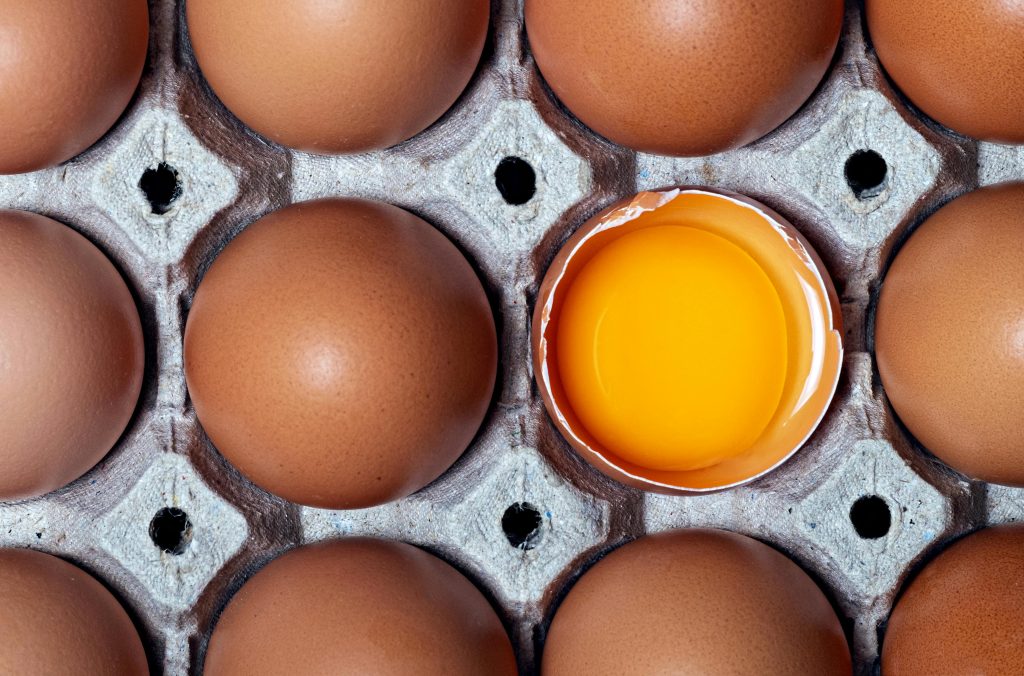
Unlock Your Potential: Why Protein is the Secret to Strength, Health, and a Leaner You
Protein is often referred to as the “building block of life” — and for good reason. It plays a crucial role in nearly every function of your body, from muscle repair to hormone production. Whether your goal is to build strength, improve your metabolism, or achieve a leaner physique, dietitians agree that protein is an essential nutrient to prioritize in your diet. Here’s why protein is the cornerstone of a healthier, stronger you.
The Role of Protein in the Body
Protein is made up of amino acids, which are the fundamental units your body uses to build and repair tissues. Muscles, bones, skin, hair, and even enzymes and hormones rely on protein for structure and function. Unlike fats and carbohydrates, protein isn’t stored in the body, which means it needs to be consumed regularly through your diet.
How Protein Builds Strength
For anyone looking to build muscle or enhance physical strength, protein is indispensable. After exercise, particularly resistance training, your muscles experience small tears. Protein provides the amino acids necessary to repair and rebuild these muscle fibers, making them stronger and more resilient over time.
According to registered dietitians, consuming protein-rich meals within two hours of a workout can maximize muscle recovery and growth. High-quality protein sources like lean meats, eggs, dairy, and plant-based options such as lentils and tofu offer the nutrients needed to repair and strengthen muscles effectively.
Protein’s Effect on Metabolism
Protein isn’t just for athletes — it’s a powerhouse for anyone looking to boost their metabolism. The thermic effect of food (TEF) refers to the energy your body uses to digest, absorb, and process nutrients. Protein has a higher TEF compared to fats and carbohydrates, meaning your body burns more calories simply by digesting protein-rich foods.
Including protein in your diet can help maintain muscle mass, which is important because muscle burns more calories at rest than fat does. This makes protein an essential nutrient for weight management and a healthier metabolic rate.
Achieving a Leaner Body with Protein
Protein is also a key player in achieving a leaner physique. By promoting satiety, it helps control hunger and reduce cravings. A high-protein diet can prevent overeating and make it easier to maintain a calorie deficit, which is essential for fat loss.
For optimal results, combine protein intake with regular physical activity and a balanced diet. Low-carb, high-protein snacks like Greek yogurt, boiled eggs, or low-sugar protein bars can help keep you full while supporting your weight loss and fitness goals.
How Much Protein Do You Need?
Dietitians recommend consuming 0.8 to 1.2 grams of protein per kilogram of body weight for most people. For athletes or those engaging in regular strength training, this can go up to 1.6-2.2 grams per kilogram. Spreading your protein intake evenly throughout the day helps ensure your body has a steady supply of amino acids to support muscle repair and other vital functions.
Best Sources of Protein
Not all proteins are created equal. High-quality proteins, known as complete proteins, contain all nine essential amino acids that the body cannot produce on its own. These include:
- Animal-based sources: Chicken, fish, eggs, dairy products, and lean beef.
- Plant-based options: Quinoa, soy, lentils, chickpeas, and nuts.
If you’re aiming for a low-carb or low-sugar lifestyle, opt for snacks and meals that combine protein with other healthy nutrients. Protein shakes and bars can also be a convenient way to meet your daily needs.
Protein Beyond Muscles: Other Benefits
While protein is celebrated for its role in muscle growth, its benefits extend far beyond the gym:
- Supports Healthy Skin, Hair, and Nails: Protein helps maintain the structural integrity of these tissues, keeping them strong and healthy.
- Boosts Immune Function: Antibodies, which fight off infections, are made from protein.
- Promotes Hormonal Balance: Protein aids in the production of essential hormones, influencing everything from mood to metabolism.
- Aids Recovery: For athletes or those recovering from injury, protein accelerates healing by repairing tissues.
Tips to Incorporate Protein into Your Diet
- Start Your Day with Protein: Begin with a protein-packed breakfast like scrambled eggs or a smoothie with protein powder.
- Snack Smartly: Keep high-protein, low-sugar snacks on hand to curb hunger throughout the day.
- Mix Plant and Animal Proteins: Combining sources like rice and beans or pairing chicken with quinoa can ensure you get a variety of amino acids.
- Include Protein in Every Meal: Aim to have a portion of protein with every meal, whether it’s a grilled chicken salad or a tofu stir-fry.
The Bottom Line
Protein is an indispensable nutrient for anyone looking to improve their health, build strength, or achieve a leaner body. It fuels your muscles, supports your metabolism, and helps you maintain a healthy weight. By incorporating a variety of high-quality protein sources and pairing them with other nutrient-dense foods, you can take a big step toward becoming a stronger, healthier version of yourself.
Whether you’re an athlete, a fitness enthusiast, or simply someone striving for better health, remember: protein is the foundation of your body’s strength and vitality. Make it a priority in your daily diet, and you’ll reap the benefits for years to come.